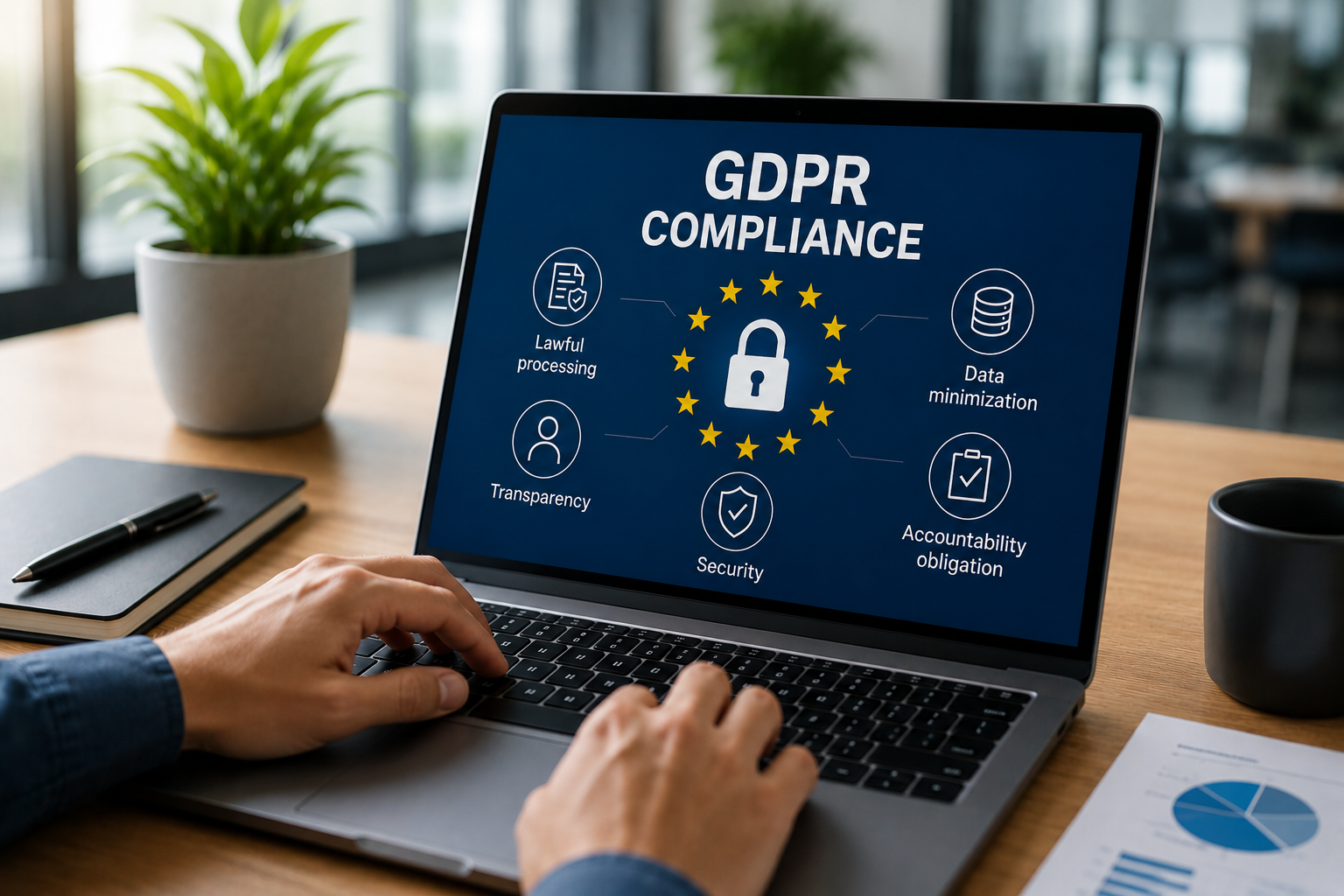
GDPR audit: what is checked and how do you prepare?
How do you know if your organization is truly compliant with the General Data Protection Regulation (GDPR)? A privacy policy and a register of processing activities are important components, but they don't tell the whole story of how personal data is protected in practice. A GDPR audit helps gain insight into compliance with privacy legislation, potential risks, and areas for improvement.
But what exactly does a GDPR audit entail? What is the difference between this and a GDPR inspection by the Data Protection Authority ? And how do you ensure your organization is well-prepared for an internal assessment or external oversight?
In this article, we explain what you can expect, which components are assessed, and how to get your privacy matters structurally in order.
What is a GDPR audit?
A GDPR audit is a structured assessment of how an organization processes and protects personal data. The goal is to determine the extent to which the organization complies with GDPR obligations and whether the measures taken are effective in practice.
During a GDPR audit, the focus is not just on existing documents and policy papers. The execution of privacy processes, the distribution of responsibilities, and adherence to internal agreements are also important.
For example, an organization might have an up-to-date privacy policy, while employees may not know how to handle a subject access request. Or, data processing agreements might be in place, but a structured process for assessing suppliers might be missing.
A good audit makes these kinds of discrepancies between policy and practice visible.
The result is typically an overview of findings, risks, and recommendations. This provides the organization with concrete tools to improve its privacy maturity.
Important to note: the GDPR does not mandate that every organization must periodically undergo a full GDPR audit. However, organizations must be able to demonstrate that they comply with their obligations. An audit is a practical tool to support that accountability.
What is the difference between a GDPR audit and a GDPR inspection?
The terms "GDPR audit" and "GDPR inspection" are often used interchangeably. However, there is an important difference between an internal assessment of privacy compliance and an inspection by a supervisory authority.
A GDPR audit is generally commissioned by the organization itself. A GDPR inspection, on the other hand, can refer to oversight by the Dutch Data Protection Authority, the national regulator for privacy law compliance.
An internal audit and a regulatory inspection are not mutually exclusive. By periodically assessing your own privacy organization, shortcomings can be discovered and resolved sooner.
This makes an organization better prepared for inquiries from regulators, customers, and other stakeholders. However, a positive audit outcome does not guarantee that a regulator will not identify any violations.
From compliance on paper to control in practice
A GDPR audit is not just about checking documents. The most important question is whether privacy is truly integrated into processes, responsibilities, and daily decision-making.
Which components are checked during a GDPR audit?
The exact content of a GDPR audit depends on the organization, the nature of the personal data, and the risks associated with the processing activities. Nevertheless, several components almost always recur.
The most important audit components:
- Privacy policy and governance
- Record of processing activities
- DPIAs
- Security
- Data subject rights
- Data breaches
- Processors
- Awareness
An audit examines not only whether these components are in place, but also whether they are current, demonstrable, and effective. This includes questions such as whether a record of processing activities matches actual data processing, whether employees can recognize a data breach, and whether DPIA measures have actually been implemented.
The results help distinguish between administrative shortcomings and risks that require immediate attention.
How does a GDPR audit work?
A GDPR audit typically consists of several phases. The exact approach varies by organization, but a structured process ensures that the assessment is traceable and leads to concrete improvements.
- Scope and preparation
- Determining which processes, systems, and GDPR obligations will be assessed. This involves taking stock of the most significant risks and available documentation.
- Documentation and interviews
- Assessing policies, registers, agreements, and procedures. Interviews with relevant staff provide insight into day-to-day operations.
- Testing of measures
- Verifying whether the measures taken align with the GDPR, the identified risks, and the organization's own internal policies.
- Reporting and prioritization
- Documenting findings and recommendations. Areas for improvement are prioritized based on risk and impact.
- Improvement and assurance
- Translating recommendations into actions, owners, and deadlines. Follow-up is evaluated periodically.
A GDPR audit is therefore more than just a snapshot. The greatest value is created when findings actually lead to better processes, clear responsibilities, and structural improvements.
How often should you conduct a GDPR audit?
There is no general legal requirement for every organization to have a full GDPR audit conducted annually. The appropriate frequency depends on factors such as the nature, scope, context, and risks of the data processing activities.
For organizations with complex processing, sensitive personal data, or significant external data exchange, more frequent assessment may be desirable.
Significant changes can also trigger an additional audit. Consider the introduction of new systems, large-scale data processing, organizational changes, or previous incidents.
A risk-based approach is therefore more effective than just a fixed annual check. By regularly testing whether privacy measures still align with actual practice, you prevent shortcomings from going unnoticed for long periods.
From GDPR audit to audit-ready: how do you prepare your organization?
An organization is audit-ready when it has not only implemented its privacy obligations but can also demonstrate how they are being complied with. This requires more than just gathering documents right before an audit takes place.
Good preparation starts with having an overview. What personal data is being processed? Who is responsible for what? What risks are known, and what measures have been taken?
Next, it is important that documentation aligns with actual practice. Procedures must not only exist but also be known to employees and actually applied.
Finally, audit readiness requires structural follow-up. Findings from previous assessments, DPIAs, and incidents must lead to concrete improvement actions. This turns privacy compliance into a continuous process rather than a periodic administrative effort.
How DPO Consultancy helps with audit readiness
DPO Consultancy helps organizations translate privacy obligations into workable measures. Not just focused on successful audit preparation, but primarily on maintaining lasting control over privacy and compliance.
Depending on the situation, support can include:
- GDPR Assessment: gaining insight into the current setup, risks, and areas for improvement.
- Privacy Officer-as-a-Service: practical support in organizing and executing privacy tasks.
- DPO-as-a-Service: independent advice and oversight regarding compliance with privacy legislation.
- DPIA-as-a-Service: systematically assessing privacy risks in processing activities and determining appropriate measures.
- GDPR training and e-learning: making employees aware and capable of taking action.
The starting point is always the same: privacy must be understandable, demonstrable, and actionable within the organization.